
Domestic Trailer Safety
Documented Loads. Verified Patterns. Accountable Operations.
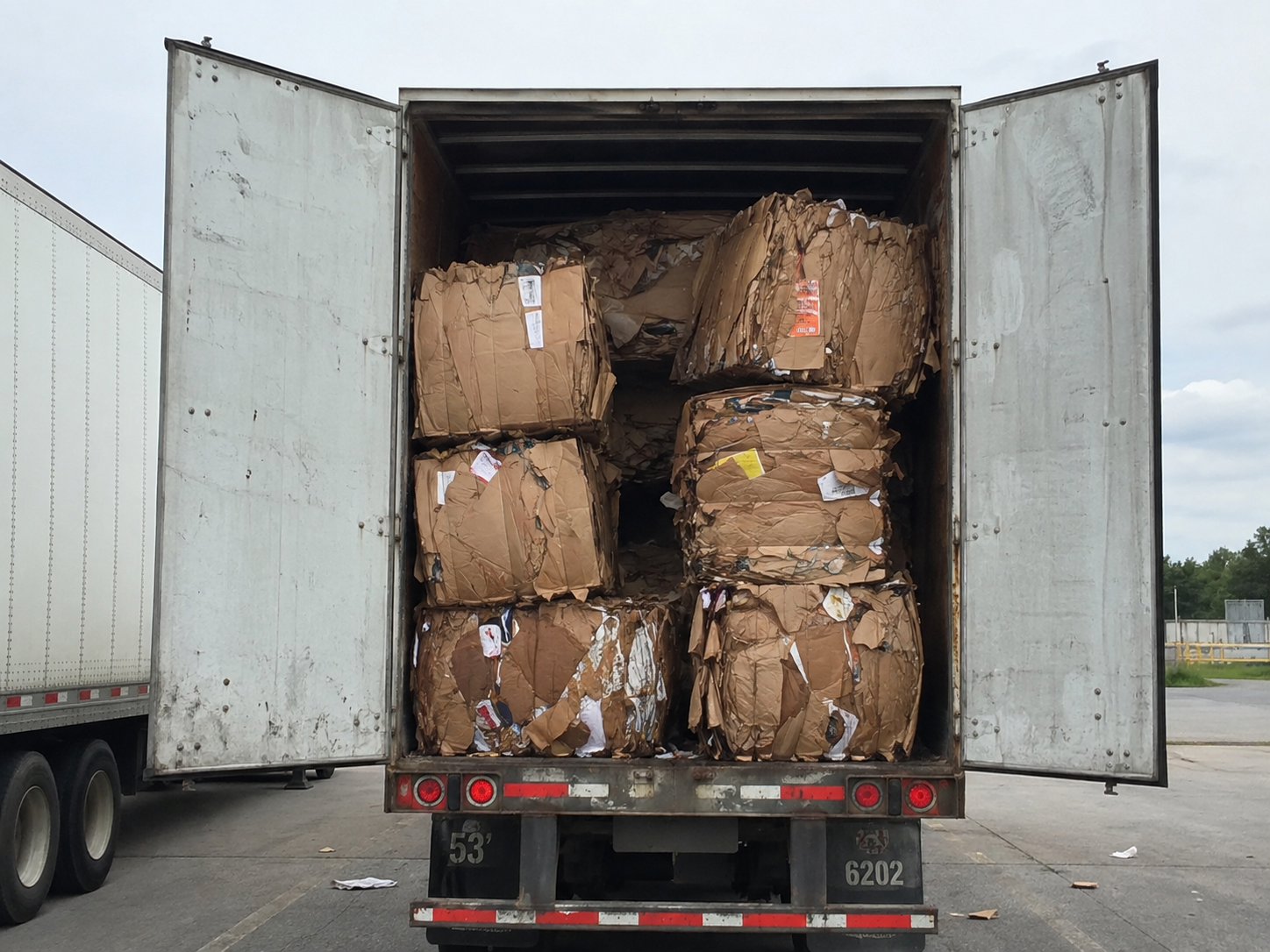
Undocumented loads create unmanaged risk.
Bales weighing up to 1,500 pounds are transported daily without photographic records, loader identification, or verified stacking patterns.
When a claim, injury, or dispute arises, there is no verifiable record to reference.
The industry has operated without a documentation standard for decades.

The Standard That’s been Missing
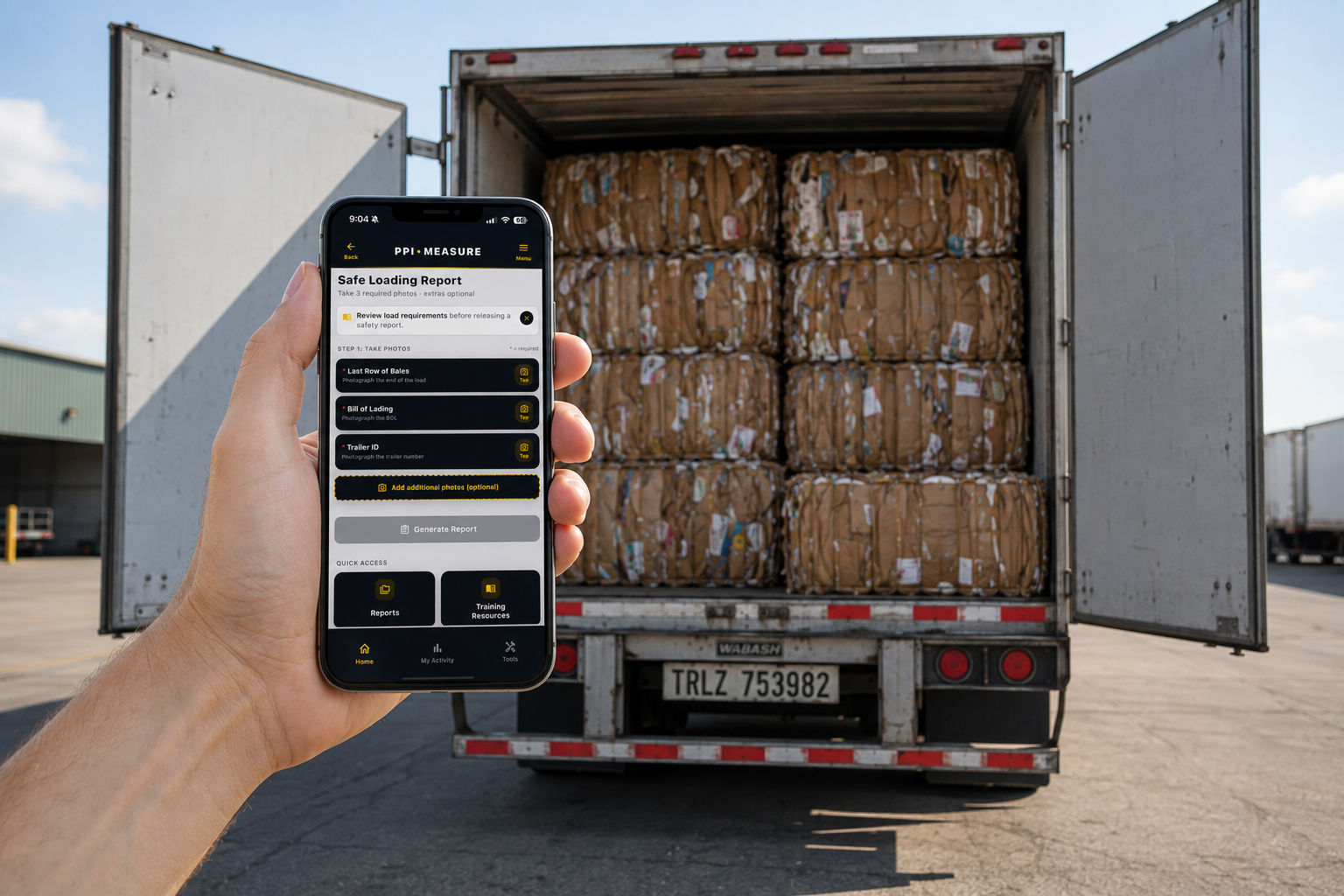
The PPI Measure Domestic Trailer Safety module establishes a documented record for every load before dispatch.
Loading pattern verified against approved reference standards
Photographic evidence captured from every required angle
Loader identified and attested to the record
Trailer, driver, location and destination logged automatically
Why It Matters
Because "we've been lucky so far" is not a safety program.
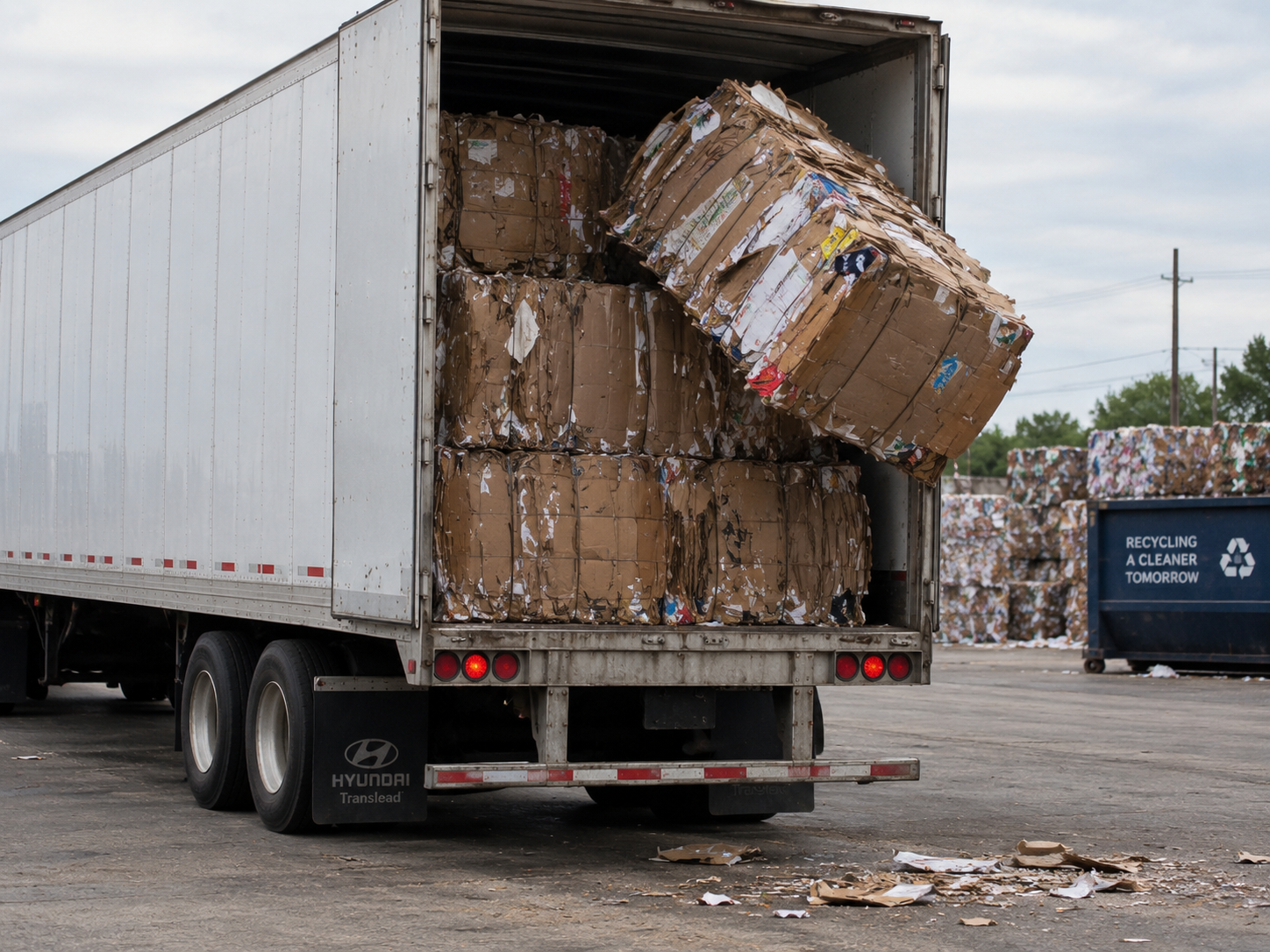
The recycled fiber industry moves millions of tons of material every year on the assumption that the people loading trailers know what they're doing and are doing it correctly. Most of the time, they are. But "most of the time" is what safety professionals call an unacceptable margin.
Documentation changes the math. When every load carries a record, loaders load more carefully. Receivers open more cautiously. And when an incident does occur, the investigation has evidence instead of guesswork.
That's how an industry gets safer — with records.
See what a Documented Load Looks like
If you're responsible for safety at a recycling operation, a mill, or a brokerage, we'd like to show you what the Domestic Trailer Safety module captures on every load. It takes about fifteen minutes.